The Feed
Stories of Feeding God's Children Hungry in Body & Spirit
Every long hour you work leaves you exhausted. Every coin you earn goes to food that is never enough. Your children cry, and you have nothing left to give them. You go to bed hungry, too, and then get up to do it all over again. You have to. How can you build a better future when your present is so dire?
The everyday reality of families in extreme poverty around the globe may look something like this.
That's where community-led programs come in.
Food is the foundation for everything. When food is a constant struggle to procure or grow, communities suffer.
Community-led programs are a form of sustainable development that alleviates the burden of food for a set amount of time, so communities can flourish.
To learn more, watch this quick video on FMSC community-led programs and then scroll to see some of our supporters' most-asked questions and our answers.
What is a community-led program?
Community-led programs, formerly known as project based food assistance, are simply partners walking with communities toward self-reliance. FMSC food distribution partners, local leaders and community members unite to create sustainable food security.
There are two key markers of a community-led program: time-bound and rooted in community ownership.
What is FMSC's role in community-led programs?
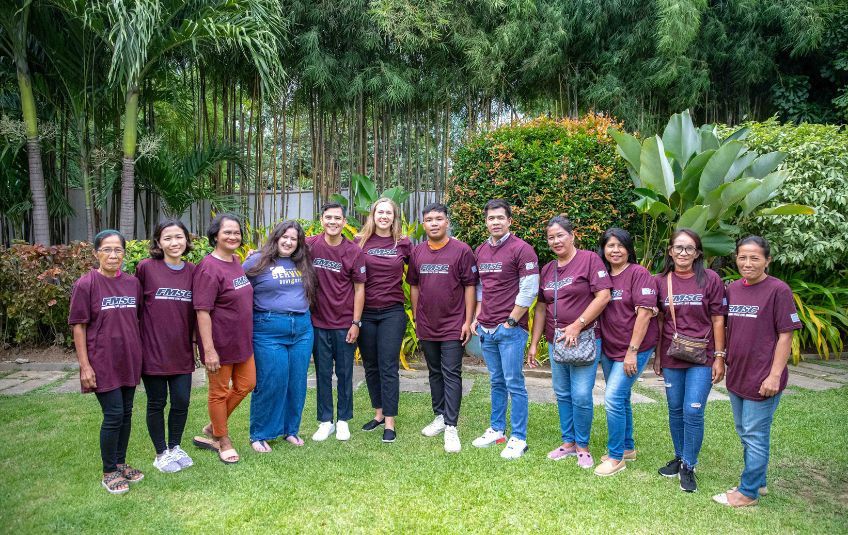
FMSC and partners commit to a community for approximately three to five years, providing a stable supply of food and funding. However, it's the communities themselves who are the genuine leaders of community-led programs.
"It's not about FMSC," says J.J. Slag, CEO/Executive Director of FMSC. "It's about what God's trying to do through that local community. And we're just the support for that."
What are the steps in a community-led program?
- Our food distribution partners find communities who would benefit from food assistance and have members willing to fully invest their time in the program.
- Partners get to ask communities to dream. "What would it look like to not have to worry about food?" Everyone brainstorms their five greatest needs and then how they would like to work towards self-sufficiency.
- During the allotted years of provided MannaPack® meals, the community implements a long-term development program of their making to move toward self-sufficiency.
"Food is where it begins ... It's the foundation that allows them to do evangelism and education and medical clinics and all of the work that will support their community in the future." — J.J. Slag
How do community-led programs promote sustainable development?
The goal is never dependence, but stable community independence by implementing a structured development plan.
Consistent food support from FMSC and partners gives communities the chance to carry out projects that will help their goal of self-reliance, such as agriculture, entrepreneurship, education or vocational training.
How have community-led programs addressed long-term food insecurity?
We have seen communities change drastically during their time participating in community-led programs. Many community members have said they could find better jobs with a livable wage at the end of the program. Here are more examples of positive change:
- Nakwanya, Uganda: 62 child deaths in 2021, but in 2024 (three years into the program), child deaths were more than halved
- Te Wouj, Haiti: 21% of families owned zero assets in 2019, but by 2024 (five years into the program), every single family had assets to their name.
With food as the foundation, people in struggling communities are empowered to direct their resources toward a future where they don’t need to simply survive: They can thrive.
Read more about specific community-led programs:
- Comitang, Philippines (launched 2024)
- Nakwanya, Uganda (2021)
- Tè Wouj, Jérémie, Haiti (2019)
- Batey 106, Dominican Republic (2015–2020)
- Marinduque, Philippines (2012–2017)
Your support allows us to start new community-led programs.
Subscribe to The Feed
We'll periodically send stories of hope to your inbox.